Fire Prevention Plan for Plastic Recycling Site – Devon
Effective waste management requires more than just logistical efficiency; it demands a rigorous approach to risk mitigation. We recently developed a comprehensive Fire Prevention Plan (FPP) for a recycling facility to support an environmental permit application. This case study outlines the strategic framework used to minimize the risk of fire and protect the surrounding environment from potential emissions.

The Objective
The primary goal was to establish a series of non-exhaustive measures to reduce the likelihood of fire and manage environmental impacts. Unlike standard health and safety plans, this FPP focuses specifically on preventing toxic smoke plumes, contaminated firewater run-off, and hazardous waste residues from compromising local ecosystems and water supplies.
Strategic Risk Mitigation
To ensure the site operates at the highest safety standards, the plan focused on three core pillars: prevention, containment, and detection.
1. Ignition and Fuel Control
The plan identified and neutralized potential ignition sources. Key measures included:
Operational Protocols: Implementing a strict no-smoking policy and ensuring mobile plant, such as forklifts, are parked at a safe distance (minimum 3 meters) from waste stacks at the end of each shift.
Maintenance Schedules: Establishing weekly checklists for equipment faults and ensuring all site electrics are certified annually by qualified professionals.
Housekeeping: Maintaining work areas free of dust, sawdust, and litter to eliminate “fuel paths” that could allow a fire to spread.
2. Waste Stack Management and Infrastructure
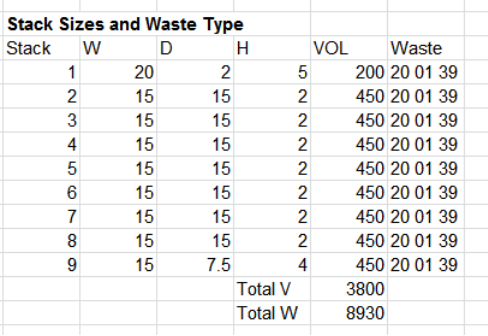
A critical component of the strategy involved the physical organization of waste materials. The plan utilized specific calculations to determine safe storage parameters:
Separation Distances: Defining stack spacing and pile sizes to prevent radiant heat from igniting adjacent materials.
Fire Walls: Designing physical barriers using dense concrete blocks with a fire resistance period of at least 120 minutes. These walls allow waste to be isolated and provide a window for the fire to be extinguished within four hours.
Stock Rotation: Implementing a “first in, first out” policy to ensure that combustible materials are not stored on-site for more than three months.
3. Detection and Emergency Readiness
Early detection is vital for minimizing environmental damage. The facility’s readiness was enhanced through:
- Fire Watches: Conducting visual inspections at hourly intervals during the working day and a final check at the end of the shift.
- Automated Alert Systems: Installing smoke alarms in high-risk areas that automatically notify operators via text message, allowing for a rapid response even when the site is unmanned.
- Quarantine Areas: Designating a clear space on the site layout where “hot loads” or smoking materials can be moved immediately for isolation and suppression.
Environmental Containment and Recovery
The plan also addressed the management of firewater. To prevent contaminated water from entering regional drainage systems, the facility utilizes:
- Sealed Drainage: Emergency stop valves to isolate site drainage at the boundary.
- Recirculation: Strategies to contain and reuse firewater on-site during an incident.
- Water Supply Assurance: Confirming that the local infrastructure can provide the required water volume (calculated based on the largest waste pile) to manage a worst-case scenario.
Conclusion
This Fire Prevention Plan serves as a blueprint for responsible waste management. By focusing on site-specific risks and adhering to Environment Agency guidance, the facility is now equipped to protect not only its operational assets but also the local environment.