 Southwest
Environmental LimitedSouthwest
Environmental Limited
Southwest
Environmental LimitedSouthwest
Environmental Limited| London |
| 02076 920 670 |
| Exeter |
| 01392 927 961 |
| Manchester |
| 01612 970 026 |
| Bristol |
| 01173 270 092 |
Originating in the South of England with the Solent Nitrate Problem, the implications of the Dutch N Ruling have spread across the UK. We have moved this list from our Phosphates Assessment Page as it was getting too long.
Somerset
In the south west of England the main area affected by Phosphate Neutrality requirements and therefore requiring Phosphate Assessments at Planning is the Parrett Catchment. A plan of which is shown below.

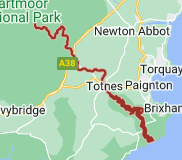
The River Dart may soon be subject to a Phosphate Moratorium.
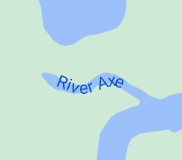
Phosphates on the River Axe (Devon) have been mentioned in April 2022 on East Devon Website
Cornwall Council have recently released their Phosphate Calculator. At present this relates to the Camel Catchment, as shown below.

Carmarthenshire District Council have recently release their Nutrient Budget Calculator. In Carmarthenshire, the Afon Teifi, Afon Tywi (River Towy), River Wye and Afon Cleddau are located in special areas of conservation.
The Afon Teifi Catchment is affected by Phosphate Ruling.
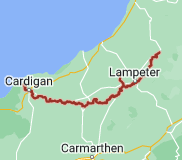
The Afon Tywi Catchment is affected by Phosphate Ruling.

The Afon Cleddau Catchment is affected by Phosphate Ruling.

If you would like to talk about this further then please do contact us (01173 270 092 or swenviro+bristol@gmail.com ).
The River Avon, Hampshire

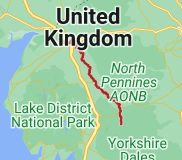
The River Eden (River Eden SAC ) with 2500 homes affected by Phosphate Embargo.
Kent’s River Stour (Stodmarsh SAC & SSSI)
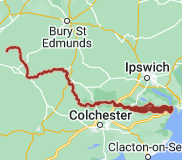
(River Lugg catchment and the Wye SAC )

(River Clun SAC)

The below section was written by a machine.
The information on this page regarding specific geographic "embargos" represents a snapshot of early regulatory responses to water quality issues in the UK. Since these initial restrictions were documented, the legislative landscape has shifted toward a more comprehensive national framework. For current data, please refer to our up-to-date Nutrient Neutrality Map, which illustrates the full extent of affected catchments across England and Wales.
What was originally termed a "planning embargo" in specific regions like the Somerset Levels has now matured into the nutrient neutrality policy. This evolution ensures that new developments do not add to the existing nutrient burdens of protected sites. Key updates to the historical data include:
The requirement for neutrality is driven by the Conservation of Habitats and Species Regulations. For developers, this means that even if a site falls within a historically "embargoed" area, planning consent is now achievable through robust technical evidence and the implementation of nutrient mitigation options. These strategies are often integrated with other environmental requirements, such as Flood Risk Assessments (FRA) and biodiversity enhancements, to provide a holistic site strategy.
Although the specific maps on this page are for archival reference, the underlying challenge of managing agricultural and residential runoff remains a core part of our consultancy. Southwest Environmental Limited provides the technical authority required to navigate these evolving standards. With over 900 projects delivered, our team applies 15 years of industry experience to help clients transition from legacy constraints to modern, compliant development solutions through detailed Environmental Impact Assessments (EIA) and catchment-specific reporting.
#/media/File:River_Axe_(Lyme_Bay)_map.png)