 Southwest
Environmental LimitedSouthwest
Environmental Limited
Southwest
Environmental LimitedSouthwest
Environmental Limited| London |
| 02076 920 670 |
| Exeter |
| 01392 927 961 |
| Manchester |
| 01612 970 026 |
| Bristol |
| 01173 270 092 |
Here to help: If you need a PEA Report please email for a quotation phone numbers are at top of page if you prefer.
A bat emergence survey is a specialized investigation aimed at confirming the presence and species composition of bat colonies roosting within structures or natural cavities. It involves observing and recording bats as they emerge from their roosts at dusk, providing valuable insights into their activity patterns and the importance of the site for their conservation.
Here's how a typical bat emergence survey unfolds:
Survey timing: Surveys are typically conducted during spring and early summer when temperatures are warm enough for bats to be actively foraging. Dusk, the period shortly after sunset, is the prime time for observations as bats emerge to hunt for insects. Survey team: An experienced bat surveyor or team equipped with specialized equipment like bat detectors and thermal imaging cameras is crucial for accurate identification and data collection.
Passive observation: Surveyors strategically position themselves around the potential roost entrance points, observing and recording the emerging bats. Attention is paid to:
Species identification: Using bat detectors and visual characteristics, surveyors identify the species flying out of the roost. Number of bats: The total number of bats emerging is estimated, providing information about colony size and roost importance. Flight paths: Observing the direction and pattern of flight paths can reveal foraging areas and potential threats to the bats.
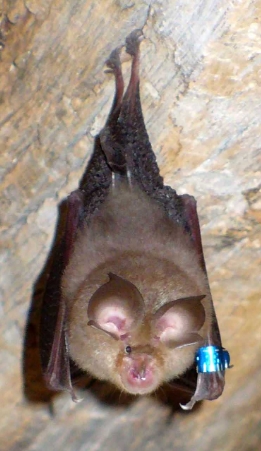
Collected data: All observations and recordings are carefully analyzed to determine the species composition, estimated colony size, and activity patterns of the roosting bats. Survey report: A comprehensive report is generated detailing the findings of the survey, including species identified, number of bats, and any relevant observations about the roost and its surrounding environment.
Planning and development: Bat emergence surveys are often required for planning applications in areas with potential bat roosts. The information obtained helps developers avoid disturbances and implement mitigation measures to protect bat populations. Habitat conservation: Surveys contribute to a better understanding of bat distribution and roost requirements, informing conservation efforts and habitat management strategies. Biodiversity monitoring: By tracking bat populations over time, emergence surveys provide valuable data for monitoring biodiversity and assessing the impacts of environmental changes.
Overall, bat emergence surveys play a crucial role in bat conservation and responsible development. By shedding light on the hidden world of these nocturnal creatures, these surveys help us better understand, protect, and co-exist with these ecologically important animals.
The below section was written by a machine.
Bat emergence and activity surveys are essential for developments involving the modification or demolition of structures, or the removal of mature trees, where there is a reasonable likelihood of bat presence. All species of bats in the UK are protected under both domestic and international law, making these surveys a critical component of the planning application process. To ensure the highest level of technical precision, SWEL manages these specialized requirements as a subcontracted service, engaging trusted ecological partners who hold the necessary Natural England or NRW licenses to perform these specific tasks.
Professional bat surveys are governed by the Bat Conservation Trust (BCT) Good Practice Guidelines. It is vital to understand that these surveys are highly seasonal and must be integrated early into your project timeline to avoid costly delays.
If bats are found to be present, a detailed mitigation strategy or a European Protected Species Mitigation (EPSM) license may be required. While we coordinate the external specialists for the fieldwork, we ensure their findings are seamlessly integrated into your broader planning statement and sustainability strategy. This managed approach ensures that all ecological constraints are addressed with professional authority, facilitating a smoother route to planning consent.
With over 15 years of industry experience and a track record of 900+ projects delivered across the UK, SWEL provides the oversight necessary to manage complex ecological requirements. By coordinating subcontracted specialists alongside our in-house expertise in Biodiversity Net Gain (BNG) and ecological accounting, we offer a comprehensive environmental solution. Our role is to ensure that every piece of technical evidence—whether produced in-house or by our specialized partners—is robust, defensible, and ready for regulatory review to secure your project's future.