 Southwest
Environmental LimitedSouthwest
Environmental Limited
Southwest
Environmental LimitedSouthwest
Environmental Limited| London |
| 02076 920 670 |
| Exeter |
| 01392 927 961 |
| Manchester |
| 01612 970 026 |
| Bristol |
| 01173 270 092 |
2- Engineer
out Waste through Management / Policy
Written c. 2005. AI Update Included Below.
There has been considerable success with regards to
prevention of pollution “Comply with your duty of care, Use an authorised waste
carrier, Check your carrier is registered, Use waste transfer notes, Pre-treat
waste for landfill, Follow hazardous or special waste controls, Have a permit or
licence[ix]”
and under EPR, in the same way waste can be stopped before it is created, by
using more efficient processes, less packaging etc.
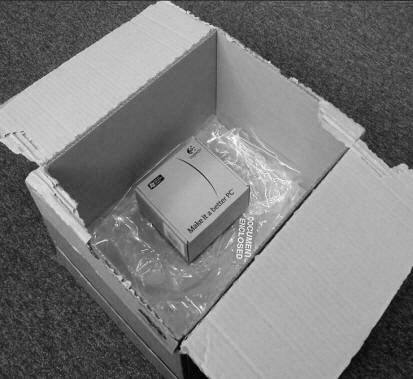
Sensible use of packaging is a good start.
Also engineering out waste full processes in
a
good solution.
Every effort should be made within a company to ensure purchasing acquires “durable, concentrated, reusable, high quality[xi]” materials that minimise waste.
Approach 1 -
EMS:
Waste reduction can be achieved through Environmental management Systems.
Environmental Management Systems are at present optional
system a company can adopt, auditing can be expensive and this discourages many
SMEs from implementing, Qwangos Such as WRAP should offer funding to SMEs to
help establish EMS and maintain annual audits, this will help reduce waste, as
well as number of other environmental benefits.
Pros:
EMS can deliver good results, if implemented well.
Cons:
Audits are costly and regular, resulting in higher opex.
Approach 2 -
EPR:
Compliance with Environmental Permit Regulations in much the same way as
EMS
implementation leads to the reduction waste. At present only permitted
activities are legally obliged to comply with EPR. However, including a broader
range of activities under EPR will mean that more waste will be illuminated.
This would also lead to more jobs in the EA, and therefore a greater income for
the NDGB.
Pros:
Compliance
with EPR is a good way to self assert that you are going along the right
track in terms of waste minimisation.
Cons:
There is
stigma attached to regulations, people see them as confining and restricted
rather than helpful, and therefore there will be limited uptake, in no
permitted activities.
Case Study -
Rolls Royce Filton:
RR used
to receive aluminium ingots imported from South America; these were then
machined in to engine parts. In machining over 40% (by weight) of each ingot was
lost as swarf. RR entered negotiations with their supplier and now receives
ingots in a variety of shapes which better match their needs, this has over
halved the amount of waste created, and also it has made the manufacturing
process more efficient[xii].
RR also have found a market for the waste aluminium swarf,
which is considered too low quality for reuse in aviation, swarf is sold to make
tin cans and golf clubs, for which it is considered sufficiently high quality.
An example of de-cycling.
Case Study - Herman Miller: Herman Miller, Inc. has saved over $1 million annually, in part, with reusable or carbonless furniture packaging. The company also holds workshops to educate employees about waste prevention[xiii].
The below section was written by a machine.
Engineering waste out of a development project is a proactive approach that focuses on the reduction of surplus material at the design and procurement stages. By identifying technical opportunities to minimize refuse before it is generated, developers can significantly reduce project costs and improve environmental performance metrics within their Sustainability Statements.
Twenty years ago, construction waste management was largely a reactive process focused on "end-of-pipe" solutions, such as providing adequate skips and arranging for landfill disposal. Today, the landscape has been transformed by the "Circular Economy" philosophy. We have seen a shift toward advanced digital modeling and pre-fabrication, which allows for millimetre-perfect material orders and a drastic reduction in off-cuts. What was once considered a minor site management task has evolved into a sophisticated engineering discipline where waste is treated as a lost resource rather than a disposal problem. Modern projects now utilize material passports and life-cycle data that were technically impossible two decades ago.
The transition to "engineering waste out" has been driven by several fundamental shifts in the construction and environmental sectors:
At Southwest Environmental Limited (SWEL), we leverage our 15-year track record and multi-disciplinary expertise to help clients engineer waste out of their projects. From Site Waste Management Plans to BREEAM credits, we provide the technical authority and professional accreditation needed to secure project consent and promote resource efficiency.
[ix] https://www.netregs.gov.uk/netregs/businesses/88625.aspx