 Southwest
Environmental LimitedSouthwest
Environmental Limited
Southwest
Environmental LimitedSouthwest
Environmental Limited| London |
| 02076 920 670 |
| Exeter |
| 01392 927 961 |
| Manchester |
| 01612 970 026 |
| Bristol |
| 01173 270 092 |
At present water abstraction permits are known as water abstraction licenses. But as from 2020 all existing licenses will shift over on to the new system of water abstraction permits. This strategy is described in the response DEFRA's consultation on the current scheme., the results being published of 15th January 2016.
Skip to Ground Water Abstraction Permits or Surface Water Abstraction Permits
Under the new permits the amount of water that can be abstracted from a body of water (whether surface water or ground water) will depend on the availability of water within said body. A new charging system will mean that water taken from high risk / low resilience sources will cost more, whilst water abstracted from plentiful sources will be less expensive.
If you take water from a surface water body at regular intervals, and the quantity is sufficient then you will require license (permit 2020) to do so. A Surface Water Abstraction Permit will be charged dependent upon the resilience of the water supply from which you are extracting.
There will likely be scope under permits to abstract large volumes during periods of high flow for storage, of course this method will be dependent on adequate storage being available.
In arid parts of the world ground water is often artificially "recharged" using injection wells or infiltration beds to help an aquifer recharge it store of water. Under water abstraction permits we may see higher up take of these methods in the UK, as abstraction limits will be set based on levels of resilience as will the unit price of water extracted.
As a result of these changes businesses will "win or loose" dependent on
their location relative to abundant water sources.
Those businesses, for example brewers or agricultural businesses based
near large rivers which maintain good flow during the summer months may
well find themselves at a competitive edge owing to low water costs and
little required in the way of capital outlay.
Those based near water sources that are less resilient, may find then
selves paying high costs per unit volume for their water, and also
having to invest in infrastructure to store seasonal gluts.
The upcoming legislative changes are likely to be disruptive for some.
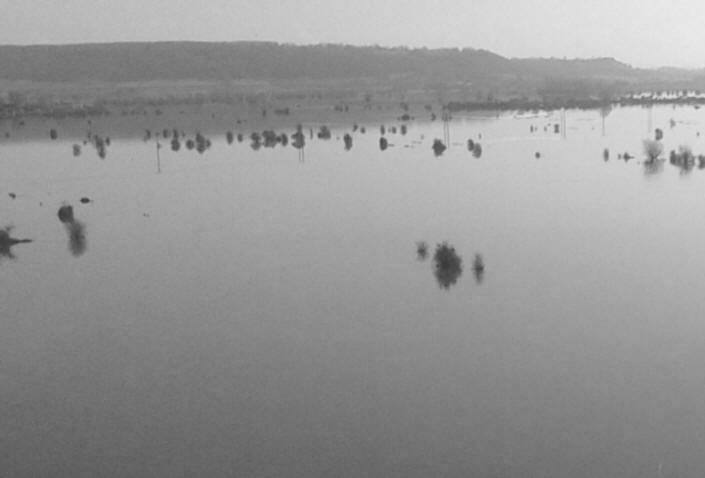
Securing a water abstraction license is a legal requirement for anyone taking more than 20 cubic metres of water a day from a river, stream, or underground source. At Southwest Environmental Limited (SWEL), we provide technical expertise to navigate the complexities of the Environment Agency's permitting regime, ensuring your business maintains a sustainable and compliant water supply.
The type of license required depends on the duration and purpose of the water usage. Our consultants help determine the correct regulatory path for your specific needs:
Successful applications often require detailed environmental evidence to prove that the abstraction will not harm the local water environment or other legal users. Our team integrates these requirements with broader Environmental Impact Assessments (EIA) and Flood Risk Assessments (FRA) where necessary.
The application process for a water abstraction permit involves rigorous scrutiny of water availability and ecological sensitivity. By utilizing our national experience across 900+ projects, SWEL ensures that your planning statement and permit applications are robust, scientifically sound, and professionally presented to the regulators. We help you manage your water resources efficiently while protecting the delicate balance of the United Kingdom's catchments.