 Southwest
Environmental LimitedSouthwest
Environmental Limited
Southwest
Environmental LimitedSouthwest
Environmental Limited| London |
| 02076 920 670 |
| Exeter |
| 01392 927 961 |
| Manchester |
| 01612 970 026 |
| Bristol |
| 01173 270 092 |
Agricultural buildings are getting bigger and
bigger and they may sometimes require a visual impact assessment,
particularly if they are sited within areas of environmental
significance such as SSSIs or AONBs.
This was the case with a large poultry unit
planned in Somerset which was some 7 meters in height at the roof appex.
A thorough site survey
is the key to a
visual impact assessment
and no exceptions were made in this instance.
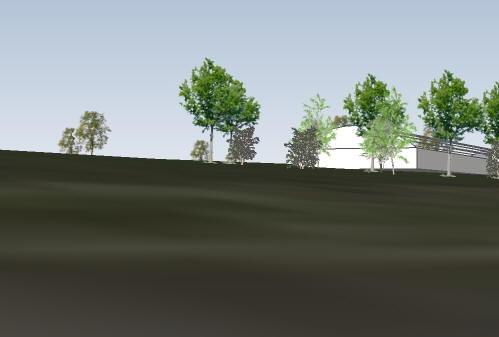
The report includes photo montages and 3D models
of the proposed development, the software used can virtualize images as
seen from receptors (people living around the area) and give planners an
idea of likely impacts.
 The repot contains the
following information:
The repot contains the
following information:
2.0
Local Plan & Other Local Documentation
2.1
Taunton Deane District Local Plan
2.2
Blackdown Hills Management Plan 2009-2014
2.2.1
Policies
2.2.2
Strategic Environmental Assessment Objectives
3.0
Natural Landscape Character
4.0
Landscape Character Area
5.0
Landscape and Visual Impacts
5.1
Landscape Impacts
5.1.1
Contrast
5.1.2
High Ground
5.1.3
3D Modelling
5.2
Visual Impacts
5.2.1
Photo Location with “No Change” on Visual Impact
5.2.2
Photo Locations with “Low” Visual Impact
5.2.3
Photos Locations with “Medium” Visual Impact
6.0
Mitigation
7.0
Conclusions
8.0
Certification
The below section was written by a machine.
Agricultural developments, such as large-scale livestock sheds, often require a formal assessment of their effect on the surrounding landscape. A Landscape and Visual Impact Assessment (LVIA) is a critical component of the planning application process, particularly for sites located within Areas of Outstanding Natural Beauty (AONB) or National Parks.
The primary goal is to determine how a new structure alters the character of the landscape and the views available to people in the area. Key technical considerations include:
Visual assessments are rarely conducted in isolation. For intensive livestock units, they are often paired with Ammonia Emissions Assessments and Odour Impact Assessments to provide a comprehensive Environmental Impact Assessment (EIA). This multi-disciplinary approach ensures that all potential objections from planning officers or statutory consultees are addressed early.
At SWEL, our agricultural consultants provide the technical authority required to navigate these complex regulations. With over 900 projects completed across the UK, we understand the specific requirements for rural developments and provide the evidence needed to secure project consent.
In addition to visual impacts, we assist farmers and developers with Landscape and Ecological Management Plans (LEMP), ensuring that any screening or landscaping provides genuine biodiversity net gain in line with current UK standards.