 Southwest
Environmental LimitedSouthwest
Environmental Limited
Southwest
Environmental LimitedSouthwest
Environmental Limited| London |
| 02076 920 670 |
| Exeter |
| 01392 927 961 |
| Manchester |
| 01612 970 026 |
| Bristol |
| 01173 270 092 |
Living in proximity to a sewage treatment works (STW) is a common reality for many in the UK, especially as housing demand pushes residential boundaries closer to essential infrastructure. While these sites are vital for public health and environmental protection, they can occasionally impact your local amenity. Understanding your rights and the "rules of the road" is key to peaceful co-existence.
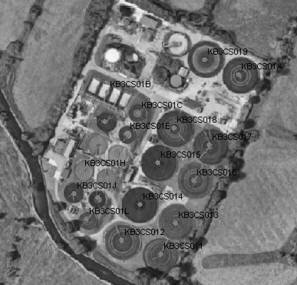
Most modern STWs operate with minimal disruption to their neighbours. However, issues like odour, noise, and insect swarms (particularly filter flies) can occur, especially during maintenance or extreme weather. It is important to remember that most treatment works operate under a strict permit issued by the Environment Agency. If the site deviates from these conditions, it is your right to report a problem.
Odour: While a faint earthy smell is normal, a strong "rotten egg" (Hydrogen Sulphide) scent often indicates a process failure.
Noise: Constant humming is expected, but sudden mechanical clattering or high-pitched alarms should be noted.
Environmental Changes: Any discolouration in nearby watercourses or unusual deposits of sewage litter should be flagged immediately.
If you notice a change in the site’s performance, do not wait for it to resolve itself.
For more serious environmental concerns, such as visible pollution in a local stream, you should report a problem to the Environment Agency’s 24-hour incident hotline. Keeping a "diary of impact" with dates, times, and weather conditions can be invaluable for environmental consultants or local authorities when investigating persistent issues.
When a sewage works fails or overflows, the impact on our local ecosystems is immediate and devastating. In the UK, our chalk streams and rivers are delicate habitats that rely on a specific chemical balance. When you report a problem, you are acting as a guardian for these waterways.
Deoxygenation: Raw sewage contains organic matter that bacteria break down. This process uses up the dissolved oxygen in the water, essentially "suffocating" fish and invertebrates.
Nutrient Overload: High levels of phosphorus and nitrogen can cause "Algal Blooms." These mats of green slime block sunlight and kill off aquatic plants, turning a healthy river into a dead zone.
Microplastics and Chemicals: Beyond the visible waste, untreated sewage releases household chemicals, pharmaceuticals, and microplastics into the food chain, impacting everything from tiny insects to otters and kingfishers, even the mighty Orca is affected.
Living near a failing site isn't just an inconvenience; it can have tangible effects on your health and mental state. It is vital to report a problem if the site is impacting your daily life, as persistent issues can escalate.
Respiratory and Physical Symptoms: Strong odours aren't just a smell; they are often caused by gases like Hydrogen Sulphide . While usually just a nuisance at low levels, persistent exposure can lead to headaches, nausea, or eye irritation.
Mental Wellbeing: The "loss of amenity"—the inability to open your windows, sit in your garden, or hang out washing—is a significant stressor. Long-term environmental stress can lead to anxiety and a reduced quality of life.
Pathogen Risks: In the event of a leak or flood, raw sewage carries harmful pathogens like E. coli or Salmonella. Ensuring these are contained quickly by reporting them protects your family and pets from potential infection.
The below section was written by a machine.
Residing in the vicinity of a Sewage Treatment Works (STW) presents unique environmental considerations that can impact residential amenity. While these facilities are essential infrastructure, managed under strict environmental compliance, they can occasionally produce emissions that affect the local community. Understanding the technical aspects of these impacts is crucial for residents and developers alike.
Our consultancy provides the technical authority to assess these impacts across the UK, serving major cities including London, Bristol, Manchester, Birmingham, and Leeds. We utilize advanced modelling and on-site monitoring to evaluate how proximity to a facility might influence a property's environment.
When evaluating the impact of an STW on residential life, several key factors are analyzed:
STWs are regulated by the Environment Agency (EA) and must adhere to specific Environmental Permits. These permits often include requirements for an Odour Management Plan (OMP). If you are experiencing issues, it is important to follow the correct procedure for reporting a problem to both the water company and the regulator.
We support residents and businesses in Sheffield, Newcastle, Nottingham, and Southampton by providing independent technical evidence. For those in the early stages of property acquisition, reviewing a Flood Risk Assessment is also advisable, as STWs are frequently located in low-lying areas or floodplains.
With over 15 years of industry experience and more than 900 projects delivered, Southwest Environmental Limited offers professional expertise (IES/IAQM) to navigate complex amenity issues. Our team can assist in interpreting technical data and liaising with water companies like Thames Water, Severn Trent, or Wessex Water.
Whether you are seeking a Zero Cost ESG Consultation to understand corporate risk or require a detailed SuDS Strategy for a nearby development, we provide the technical data required for informed decision-making across the UK, including Edinburgh, Glasgow, and Cardiff.