Category Archives: Sustainability

Energy Statement – Nailsea, North Somerset

Energy Statement – Nailsea, North Somerset

Acting on instructions from a cobstruction company in North Somerset SWEL are to prepare an energy statement for a high specification home to the south of Bristol.

The residential development consists of a large hill side dwelling with terraces and swimming pool. 

The development is to be built to Code for Sustainable Homes Level 3. This would see emissions reductions required and levels of fabric energy efficiency above those specified in the building regulations.
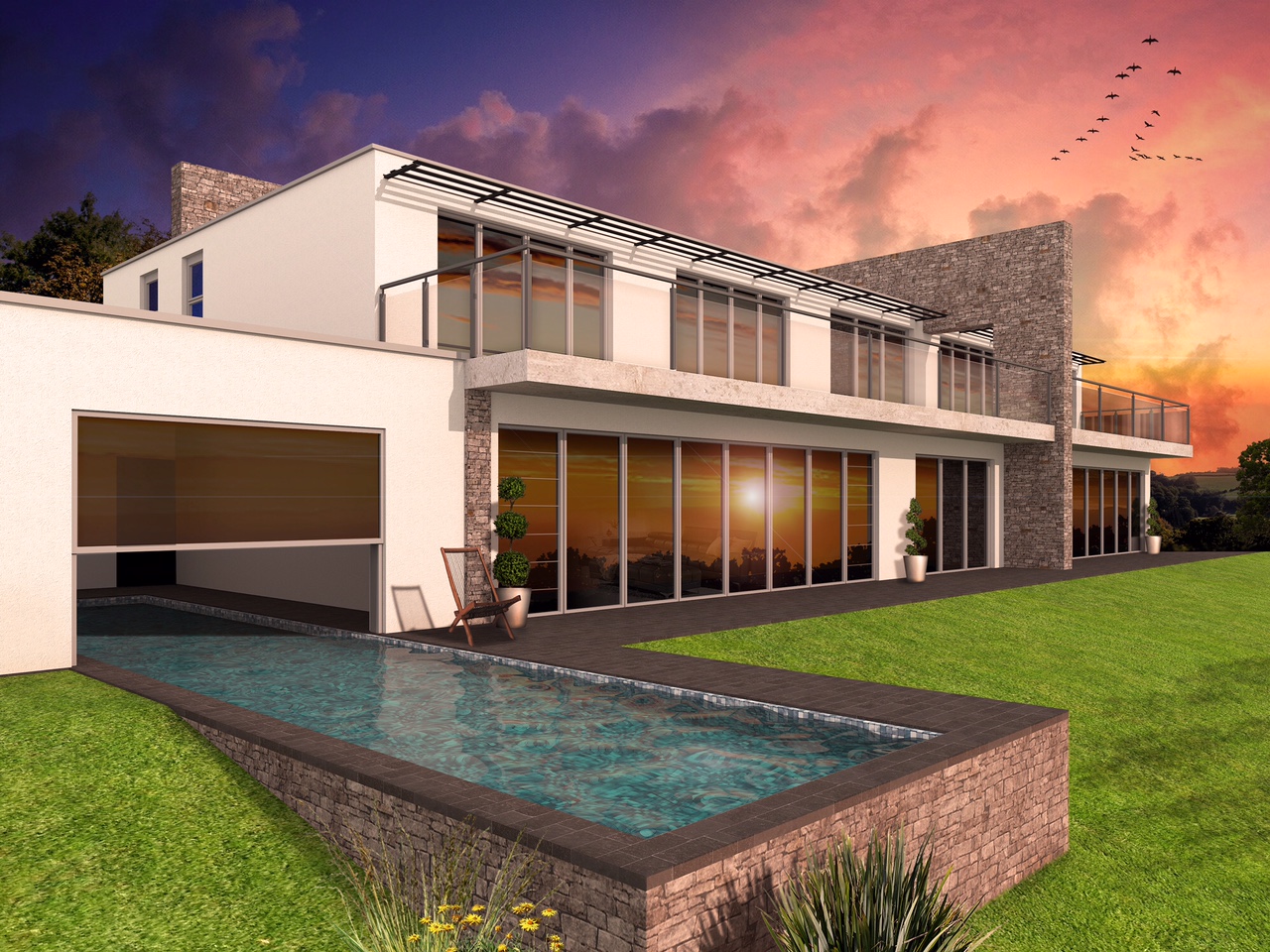
The above axiometric projections were produced by Zebra Architects Worcester.

SWEL have prepared Sustainability and Energy Statements for projects all over the UK. We have experience in Code for Sustainable Homes up to Level 6, and BREEAM Excellent (including refurbishments).

Sustainability Consultants

Sustainability Statement – Bristol

Sustainability Statement Bristol

SWEL have recently prepared a sustainability statement for a project in Bristol. The report was wriiten to meet the demands of Bristol City Council, and contained measures to be implemented in order to meet requirements set out in local policy.

As with all our reports, the sustainability statement was written on a quicjk turnaround provided within 10 days of commissioning.

SWEl based our recommendations to suite the clients pre-existing design.

The scheme was a fairly typical residential change of use application.

The sustainability statement was submitted to Bristol City Council well in advance of stipulated deadlines, and the report was well received.

Sustainability Bristol

Sunlight & Daylight Assessment – Hackney (N1)

Sunlight & Daylight Assessment – Hackney

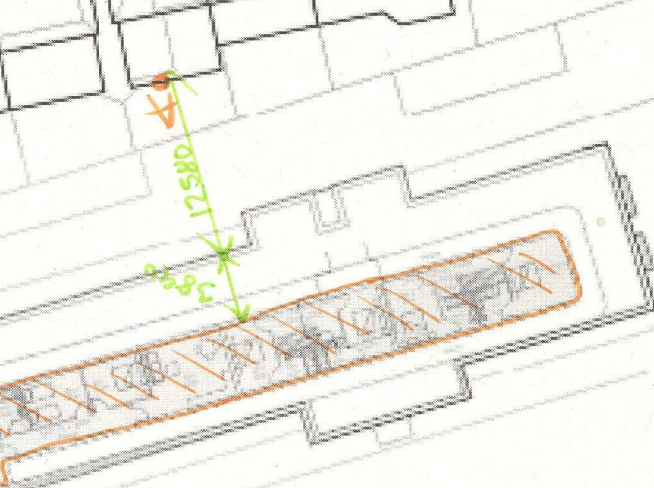
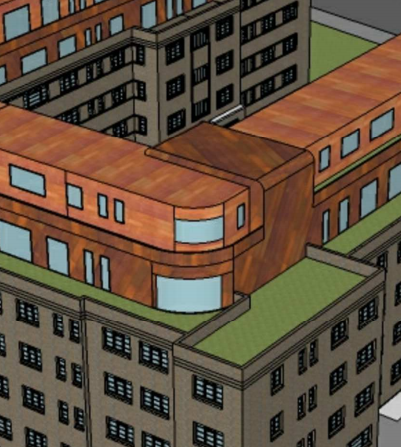
SWEl have just sucessfull completed a sunlight & daylight assessment for an unusual retrofit project in Cazenove (Hackney) London.

The project invloves the install of a further two stories on top of an existing building the design is modern and well considered to reduce daylighting impacts, with a tiered design with width decreasing upwards.

The surrounding buildings were subject to considerable overshadowing prior to the development, and as such only minimal reductions in enjoyed light were acceptable.

Sunlight & Daylight reduction post project were within limits set in the relavent guidance, and as such the project with minor alterations was recommended to proceed.

Sunlight and Daylight Assessment

BREEAM Planning Strategy Report – Kensington and Chelsea

BREEAM Planning Strategy Report – Kensington and Chelsea

For domestic refurbishments of a certain scale Kensington and Chelsea Borough Council require the project to be assessed under BREEAM Domestic Refurbishment. At the planning stage Southwest Environmental can produce a planning level strategy report to satisfy planners. 

The property in question was a large terraced house, with planning sought for a large basement to incorpertae a swimming pool and gym.

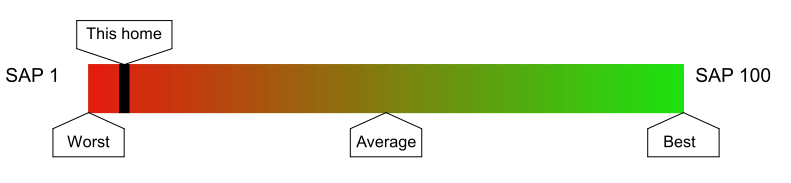
SAP Rating Before Refurbishment

SAP Rating After Refurbishment

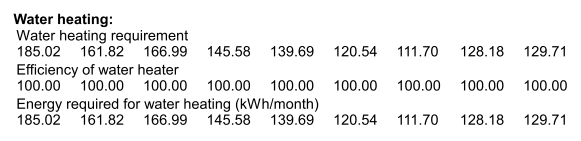
Detailed SAP calculations were carried out to assess, the energy consumption and the building before and after the refurbishment. BREEAM requires decreases in energy consumption in order to score points. 

Unlike a new build project, a refurbishment starts at a disadvantage as there a numerous physical constraints, also in listed buildings there is the outward appearance to consider although allowances are made for this in the BREEAM Assessment Methodology.

Kensington and Chelsea require that 40% of the overall score come from sections relating to Energy Consumption and Water Consumption. It is thought that the specification of CHP scored very well in these areas allowing much freedom in other challenging areas such as fabric energy efficiency.

As always Southwest Environmental recommend airtightness as a cost effective solution that rarely inhibits appearance and design. Airtightness is a very important factor in the Passive House Standard, where extreme levels of energy efficiency are delivered.

Passive House 

BREEAM Reports

Code for Sustainable Homes Pre-Assessment – Barking

Code for Sustainable Homes Pre-Assessment – Barking

Acting on instructions from a firm of architects SWEL have prepared a Code for Sustainable Homes Pre-Assessment Report for a 30 unit development in Barking, London.

The Project Achieved a very high SAP Rating

The scheme sees the refurbishment of an existing building and a large extension to rear which is new build. The project is required to meet Level 4 in the Code for Sustainable Homes.

In order to assess energy consumption for the development detailed SAP calculations were undertaken. To derived TER and subsequent DER. As well as high levels of fabric energy efficiency the scheme is to use combine heat and power. This will not only provide very low carbon emissions, it also provides scoring benefits under NOX emissions, and low carbon technologies sections of the Code for Sustainable Homes.

Combined heat and power will also provide considerable income for the building management company under the government Renewable Heat Incentive, a tariff which pay on renewable heat energy technologies.

Further Reading:

Barking and Dagenham
Code for Sustainable Homes
NOX Levels from CHP

Daylight Assessment for Basement Flat – Haringey

Daylight Assessment for Basement Flat – Haringey

SWEL were approached by a property company in Haringey, London, to undertake an assessment of daylighting in an existing basement flat, with a view to making improvements to to increase daylighting.

A recommended level (ADF) of 1.5% is given for living areas, and the calculated ADF for the living area was around 0.25%.

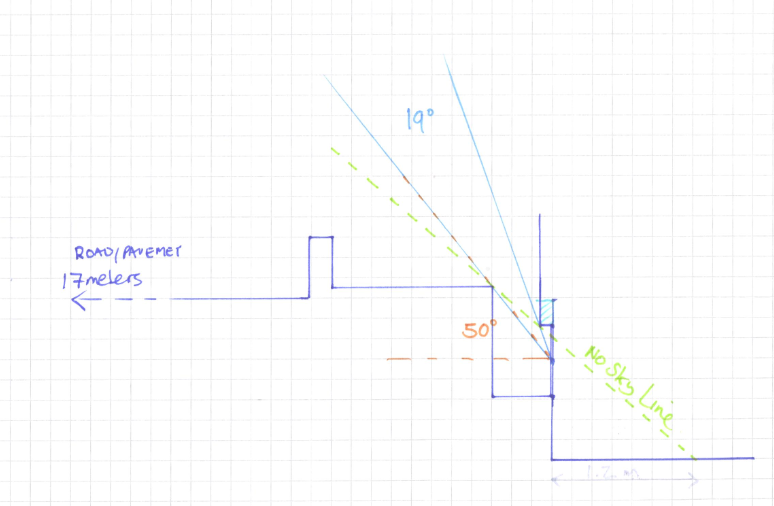
The existing basement had an open sky angle of around 19 degrees, and an obstruction angle of 50 degrees. A report was published to suggest improvements that saw calculated ADF raised to 1.6%.

Sunlight and Daylight Assessment

Visual Impact Report for Wind Turbine 100 KW – Cornwall

Visual Impact Report for Wind Turbine 100 KW – Cornwall

A land owner sought to errect a 100 KW turbine in Cornwall, part of requested information for planning application was a visual impact assessment.

As is standard with a SWEL visual impact assesment we create 3D models that acuratly depict the the proposed devlopment within the context of the environment.

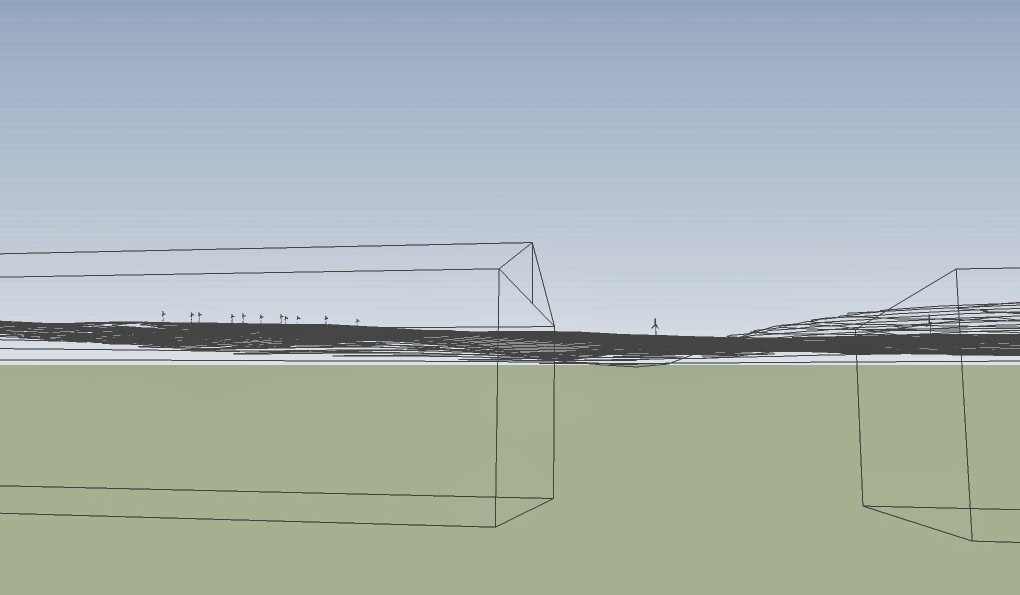
Many planners ask for wire frame models for assessing visual impact (as below), and although wire frame models give a good representation of scale and massing thye do not factor in surface details, shading and colours.

For example in the bwlow picture the ground is many shades lighter than it would be in “real life”, and so we see an increase of contrst between the ground and turbine. With out surface texture added, hilly areas also appear darker than flat areas becauae of contour bunching. 


Sustainability Statement – Bristol

Sustainability Statement  – Bristol

SWEL were asked to undertake a sustainability statement for a planning application in Bristol, UK.

The school was expecting increased numbers of pupils and to meet demand a temporary classroom was considered the best solution.

A fairly large Solar PV array had been installed on the main school and so with the agreements of Bristol City Council Planning office, renewables obligation were deferred, from the proposed build on to existing renewable energy systems.

The report was prepared in line with current legislative guidance, and was delivered ahead of schedule and on budget.

Susutainability Statement Bristol

Degrdation of Feed in Tariffs for Non Wind Renewables

The February consultation on the Feed-In Tariffs (FITs) for non-solar renewable technologies, DECC has rather cleverly anounced it will be cutting feed in tariffs for non-solar renewables.

These cuts come in to force from April 2014, and see cuts of up to 20% in feed in tariffs, depdant on installed capcity in a given year.


Just as it seems we are making some head way with regards to energy independence, we get this sort of news! Do policy makers really understand how difficult it is to get a turbine through planning? If we the UK wants to move away from reliance on gas imports, then we need to see high levels of incentive such has been the case. Short sighted.

Sustainability Reporting for Care Home – Eastbourne

Sustainability Reporting for Care Home – Eastbourne

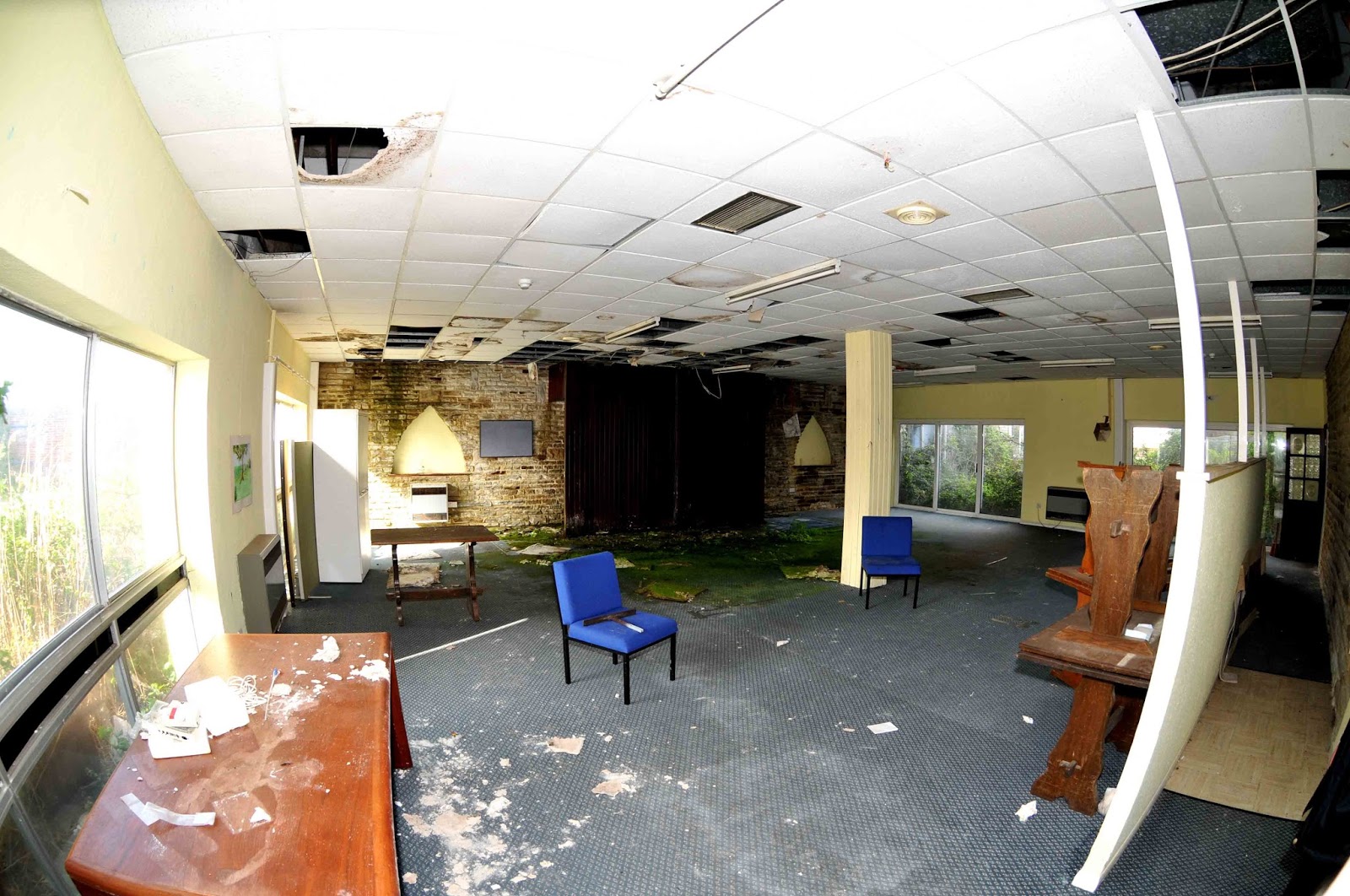
A dilapidated care home on the south cost was earmarked for redevelopment. SWEL were asked to undertake the following reports;

Desktop Study – To assess ground conditions, the condition was passed off at this first phase.

Desktop Study Eastbourne

Sustainability Statement – Eastbourne Council have a 15% emissions reduction target, this was met via the use of CHP. Although saving met through the building fabric effieicny saving may have been more cost effective the use of CHP ment that the building could be built to the contractors standard specification.

Site Waste Managemnt Plan – These are being phased out by October 2103, but SWEL were asked to prepare one for this project in 2012.