Site Investigation Bristol

Site Investigation Bristol

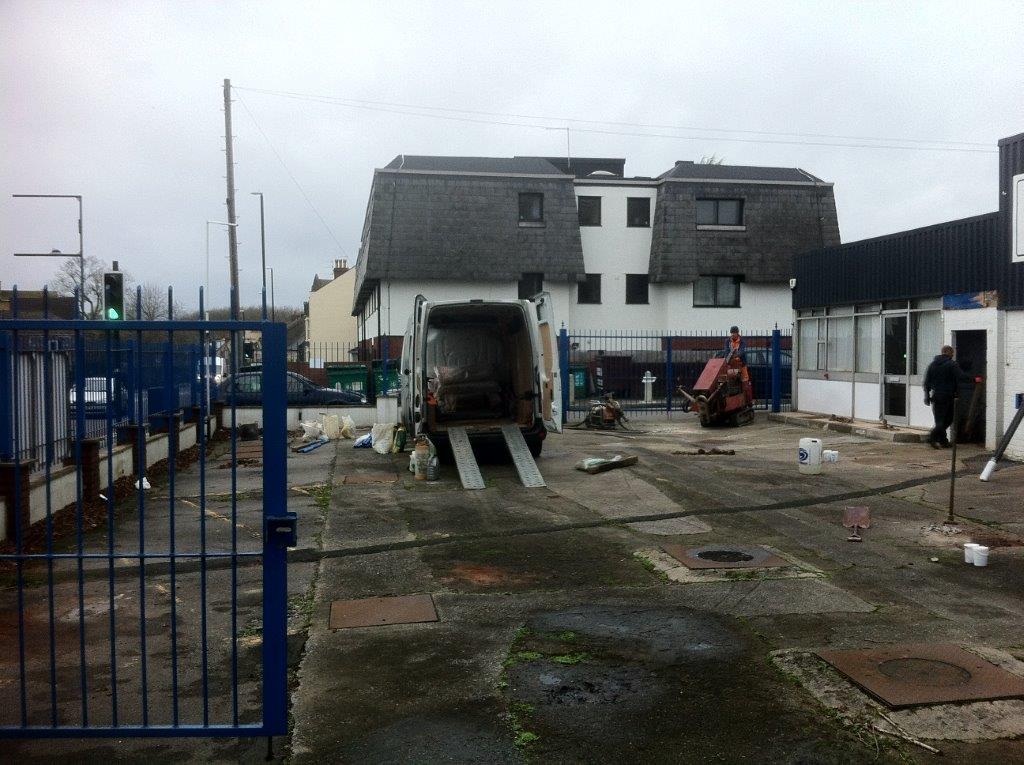
Acting on instruction from a property owner in Bristol. Southwest Environmental Limited are currently undertaking a Geo-environmental site investigation in Bristol.

The site is an dis-used petrol filling station, there are concrete filled tanks on site, and various buildings with above ground tanks and assicoated storage.
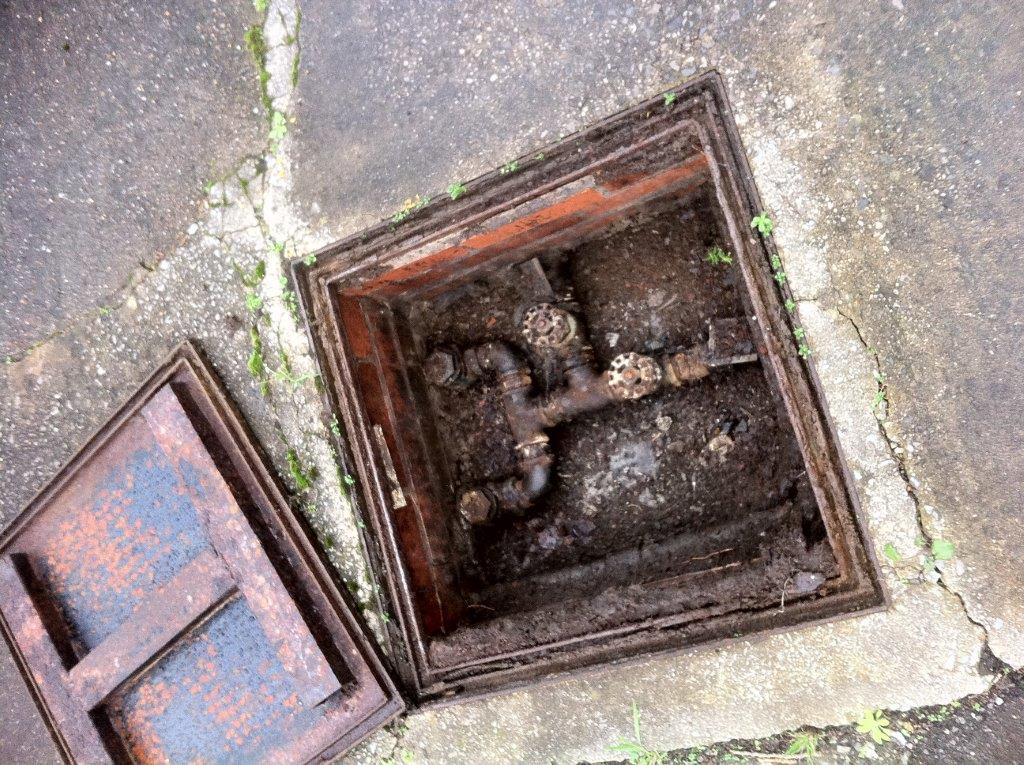
Site Investigation Bristol – Buried Services and Pipework were Present

Site Investigation Bristol – Site Works were completed in One Day

The site works were undertaken in December 2015, with reporting no being progressed.

A full report will be prepared to collate finding of investigation and to compare soil quality against various guide values. 

Site Investigation Bristol

Permit Application Basildon, Essex

Permit Application Basildon, Essex 

Acting on instructions from a company wishing the recycle batteries in Essex. Southwest Environmental are to prepare a permit application for a battery recycling facility. There were many environmental constraints on site, such as a nearby SSSI.

The process involves the splitting of batteries with the segregation of casings, metal plates and electrolytes for onward transfer.

The application was prepared an submitted by SWEL in under 2 weeks, with a great deal of detail being input to the Environmental Risk assessment to describe migratory measures etc.

Example detail:

“All containers are clearly labelled prior to filling. When a particular container or series of containers are full they are transferred off site for further recycling at other licensed facilities, at which point an outgoing transfer documentation is generated and a collection of battery sourced wastes are loaded on to a vehicle for onward transfer.”

Environmental Permit Application Essex

Sunlight Daylight Assessment

Southwest Environmental are Environmental Consultants who regularly undertake Sunlight and Daylight Assessments in London, in this case this Assessment took place in Tottenham (N17).

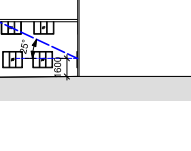
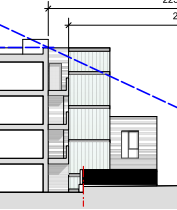
The original plan was for the building to have 5 stories with an extra penthouse single unit on the fitth floor. This was a problematic layout owing to there being very little over shadowing pre-development.

Southwest Environmental were able to inform our client of the maximum possible building height based on the bRE 209 reduction criteria which was around 12 meters in this instance. Th height would change dependent of the scale and distance of the building in relationship to the affected window.

After redcuing the building height to 4 stories the calculations were acceptable, and the rpeort was issued in support of the application.

This report may be used in the appeal process to prove that 4 stories does not create adverse overshadowing conditions.

Environmental Consultants London

Fire Prevention Plan – Hereford

Fire Prevention Plan – Hereford 

Recent policy changes have resulted in the need for the majority of waste sites to produce and maintain a fire prevention plan, for their environmental permit.

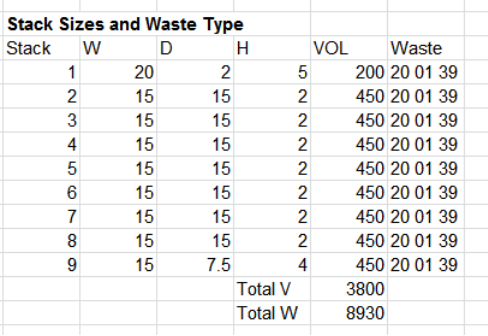
A fire prevention plan sets out the site specific requirements for the storage of wastes in line with the relevant guidance. There are requirements for stack spacing sand fire rescue service access.

Stack Layouts must be Included

When a fire is extinguished it is often the case that large volume of fire water run off the site and on to surround land, or perhaps in to rivers. The fire prevention plan must set out measures that can be used to prevent this happening.

Stack Sizes must not Exceed Max Limits Imposed

These new requirement for fire prevention plans are applied regardless of past performance, and are being requested more and more often during environmental permit applications of any type.

Down Wind Receptors Must be Considered

The content requirement for a fire prevention plan can be considerable, especially during a bespoke permit application. The fire prevention plans produced by SWEL are for environmental protect matters only and do not deal with health and safety of workers or members of the public.

Fire Prevention Plan

Energy Statement – Nailsea, North Somerset

Energy Statement – Nailsea, North Somerset

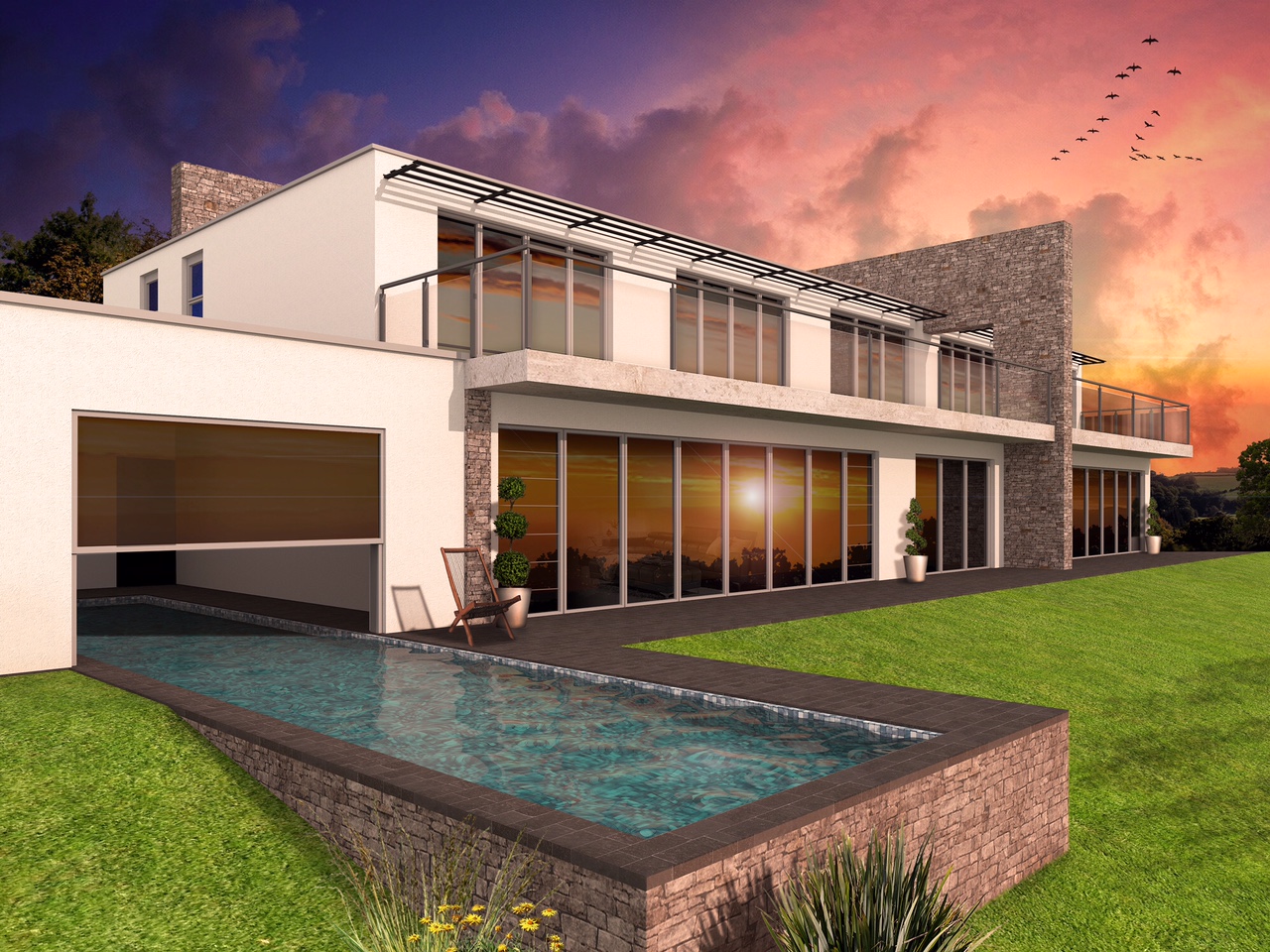
Acting on instructions from a cobstruction company in North Somerset SWEL are to prepare an energy statement for a high specification home to the south of Bristol.

The residential development consists of a large hill side dwelling with terraces and swimming pool. 

The development is to be built to Code for Sustainable Homes Level 3. This would see emissions reductions required and levels of fabric energy efficiency above those specified in the building regulations.

The above axiometric projections were produced by Zebra Architects Worcester.

SWEL have prepared Sustainability and Energy Statements for projects all over the UK. We have experience in Code for Sustainable Homes up to Level 6, and BREEAM Excellent (including refurbishments).

Sustainability Consultants

Landscape and Visual Impact Assessment – Rickmansworth

Landscape and Visual Impact Assessment – Rickmansworth

It is fairly standard for LVIAs to be requested when large structures are built in a rural setting, but not so in suburban areas. SWEL were interested to see why a LVIA had been requested for a project within the M25 and sited within a developed area.

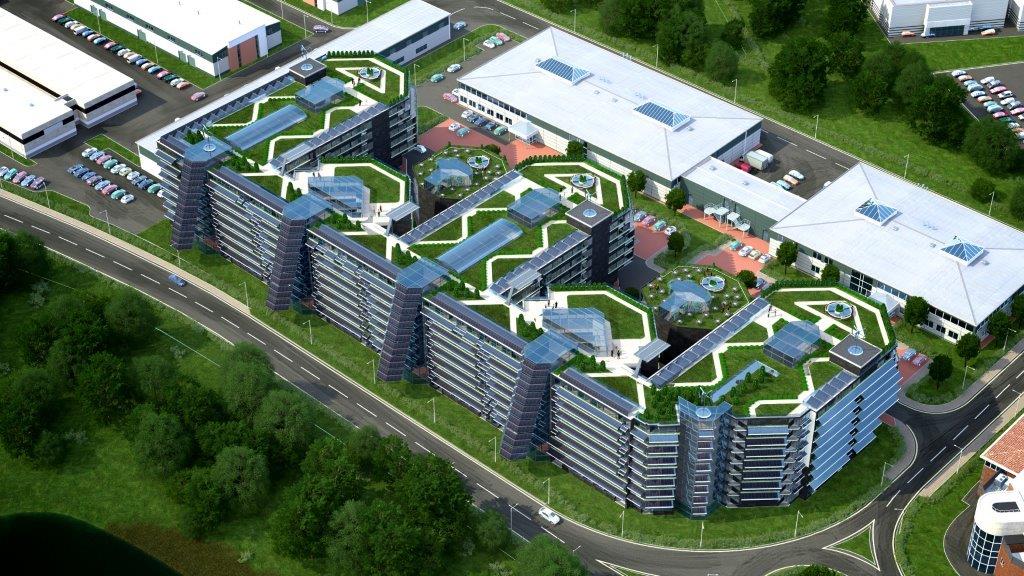
The residential project was unusual in its scale and design, however the building’s novel form, and inclusion of features such as roof top gardens will make an attractive replacement in contrast to the existing industrial buildings.

Many Sensitive Visual Receptors in the Area

Sympathetically Designed

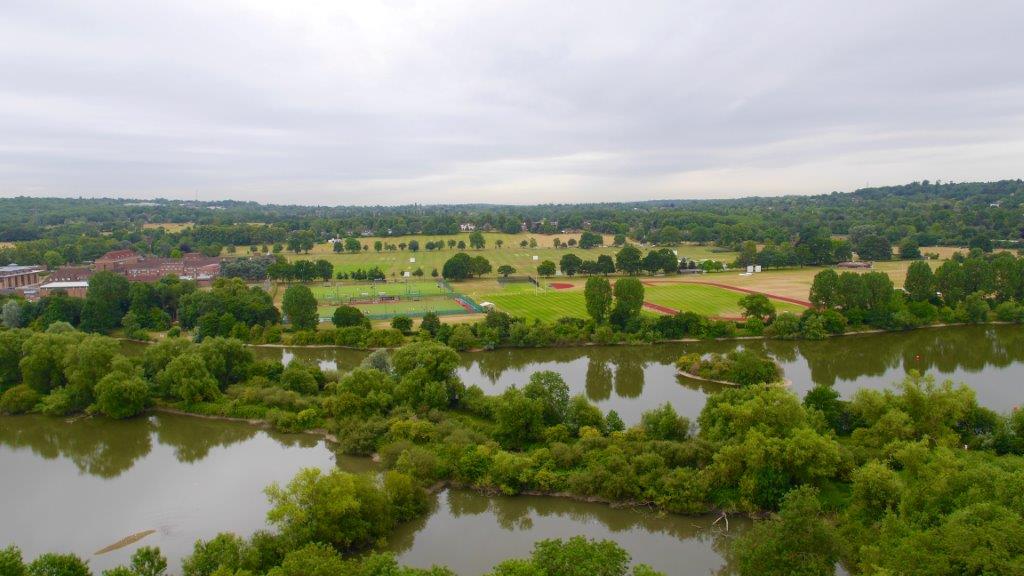
SWELspent 12 hours walking and cycling though the surrounding landscape to establish points of visibility, whether these were from foot paths, roads of one of the 2 no. SSSI sites in the surrounding area.

There are a great number of hedge rows in the area which contribute visual screening and these will be included in the ZTVs.

A ZTV (Zone of Theoretical Visibility) using computer modelling to deduce where the project will be visible from. Typically these a “bare earth” ZTVs which ignore vegetation and built screening. A ZTV which includes vegetated and built screening is far more time consuming to produce which is why they are often omitted from LVIAs, but a vital part of any LVIA.

Wooded Areas reduce Visibility Impacts

Visual and Landscape Environmental Impact Assessment

Desktop Study – Worcester

Desktop Study – Worcester

SWEL have just completed a desktop study in the Rainbow Hill Area. This report was produced a a quick turnaround. The site in question is being developed for a commercial use which is a lower risk site use. However, teh site is surrounded my numerous contamination sources, a gas works being the most significant.

Gas works were often the site of gasification plants, where coal for heated to produce coal gas, and coke as a bi product. However there are also many harmful bi product produced often which were dumped on to the ground around the plants cause intense contamination.

Benzo-a-pyrene is just one of the many contaminants associated with gasification plants, its causes cancers of teh skin, when people are exposed to it externally, these cancers are likely to form in folds of the skin around the next where dust may collect.

Desktop Study

Surface Water Drainage Strategy – East Devon

Surface Water Drainage Strategy – East Devon

In proving a Surface Water Drainage Strategy to the planning office when submitting a planning application, it makes clear how surface water drainage will be handled within the new development.

Surface water drainage will have to be carefully considered when the project involves large areas of impermeable surfaces.

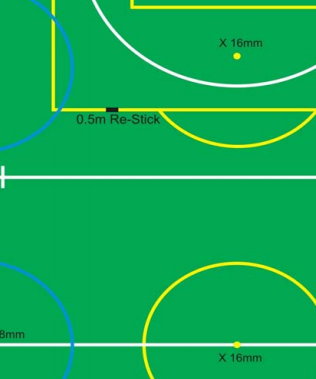
In this instance an artificial sports pitch surface was to be renewed in and the opportunity was taken to check the adequacy of the surface water drainage on site.

SWEL undertook attenuation calculation in line with the relevant guidance, but were careful to estimate an appropriate attenuation value for the pitch surface.

The current pitch surface would seem to be impermeable but this would not have been the case when the pitch was first installed. By research the subject SWEL were able to determin that the pitch sand (which would be free draining) had becomh contaimanted with fine grained soils (clays etc.) that had reduced its permeability and thus increases run-off potentially.

These characteristics had no doubt developed over the life spane of the exist surface and so to specify draining based on the aged, low permeability surface would have been to over specify.

Instead an average value was used between that of a new surface and that of the surface as was observed.

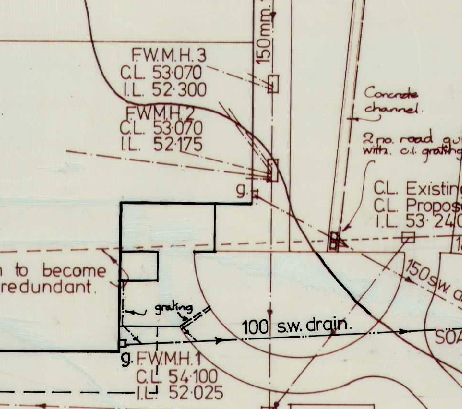
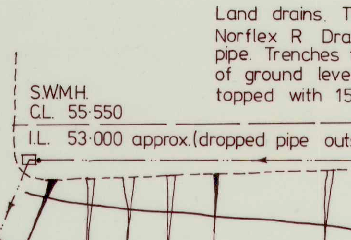
Legacy Drainage Plan, were used to derive current state of drainage.

Pitch condition reports were used to derive condition of surfaces.

High Quality Legacy Plans helped to facilitate the writing of the report.

Surface Water Management Plan

Geotechnical Investigation & Design for Solar Park – Somerset

Geotechnical Investigation & Design for Solar Park – Somerset

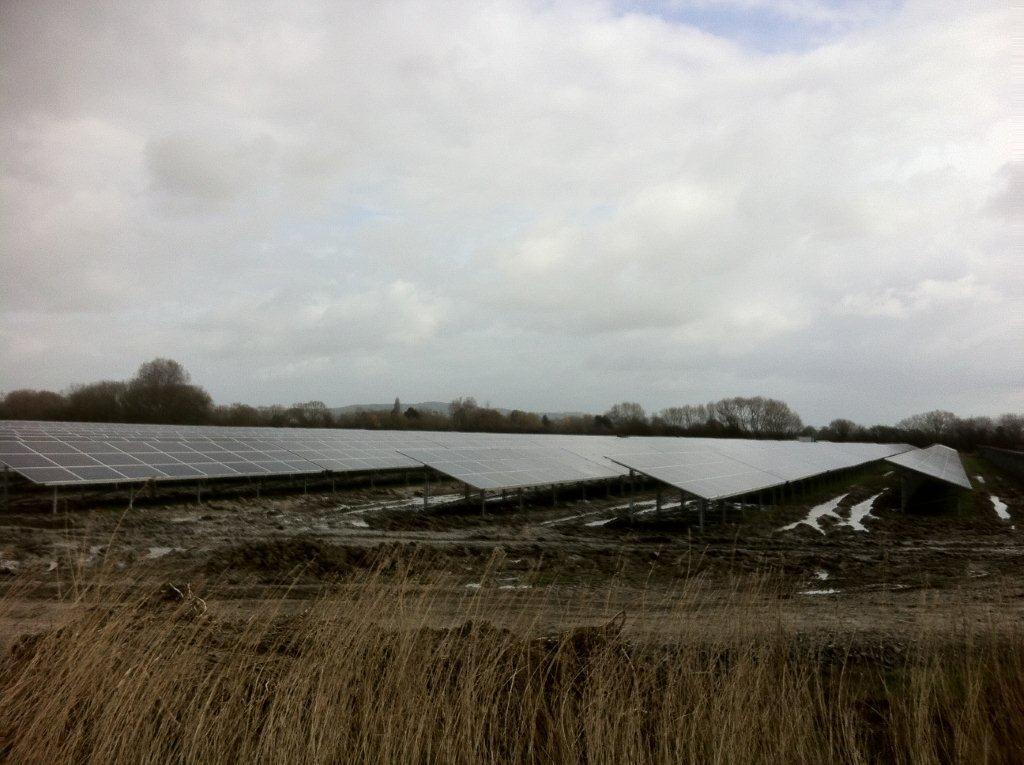
A renewable energy company approached Southwest Environmental as they were concerned that transformer bases incorporated within a new solar park in Somerset were sufficient to meet structural loading.

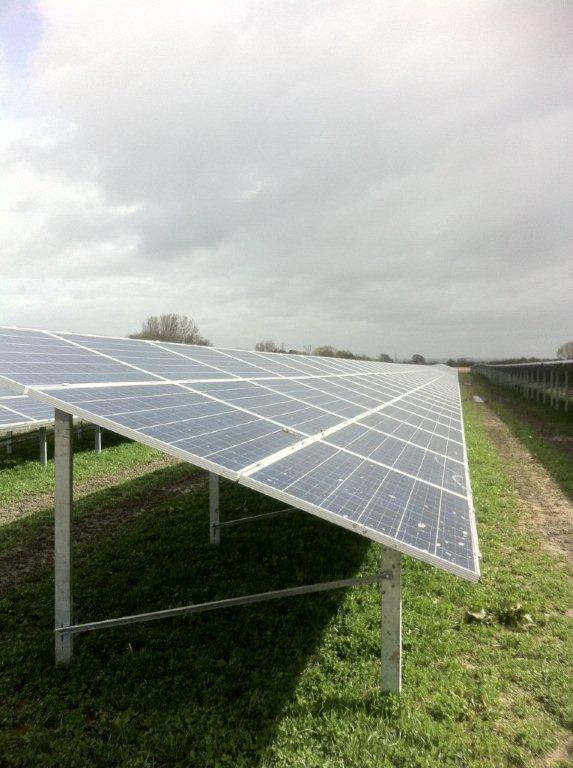
The solar park which extends to approximately 12 hectares was well under construction with the majority of panels installed, and the transformer bases constructed.

The site was heavily trafficked and access was difficult


most of the solar panels were already installed


lots of solar panels just what the UK needs


again – a large number of solar panels

The site was on the peats and silts of the Somerset levels, these are very challenging areas in which to build, with soils typically exhibiting very low strength values, and owing to the thickness of they superficial silts are infeasible for piled foundations.

Using an established method for the determination of soil strengths SWEL found that the proposed structural loading was very similar to the max allowable loadings for the soil conditions encountered on site. To that end a program of monitoring was suggested for a period of 18 months to span a wet season, and observed for movement, as a secondary option a piled foundation solution was recommended.

The above work was turned around with a 15 day working window, with sampling, dynamic probing, laboratory analysis and reported delivered within a tight time frame.

Geotechnical Somerset

Sustainability Statement – Bristol

Sustainability Statement Bristol

SWEL have recently prepared a sustainability statement for a project in Bristol. The report was wriiten to meet the demands of Bristol City Council, and contained measures to be implemented in order to meet requirements set out in local policy.

As with all our reports, the sustainability statement was written on a quicjk turnaround provided within 10 days of commissioning.

SWEl based our recommendations to suite the clients pre-existing design.

The scheme was a fairly typical residential change of use application.

The sustainability statement was submitted to Bristol City Council well in advance of stipulated deadlines, and the report was well received.

Sustainability Bristol