
Balancing Development and Biodiversity in Dorset
Designing with Nature: A Success Story Near Bridport
When planning any new development, understanding the local ecology is the first step toward a successful build. A Preliminary Ecological Appraisal (PEA) was conducted for a proposed farmworker’s dwelling and parking area near Bridport, Dorset. The assessment highlights how tailored mitigation measures can keep a project moving forward while fully respecting the surrounding landscape.
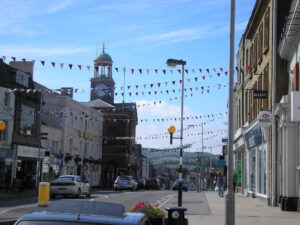
Bridport Town Centre (Stock Image)
Understanding the Landscape Baseline
The development footprint itself sits on managed modified grassland and a small patch of mixed scrub, which holds low nature conservation value at a local level. However, because the site is nestled within the beautiful Dorset National Landscape and falls inside the Impact Risk Zones for two nearby Sites of Special Scientific Interest (SSSIs), the wider environmental context required careful navigation.
Key Ecological Findings & Solutions
While the on-site survey revealed that the immediate plot has low ecological sensitivity, an old stone agricultural building directly adjacent to the boundary presents unique factors:
-
Protecting Nocturnal Wildlife: The neighboring building contains features suitable for roosting bats. To prevent domestic light spill from disrupting these nocturnal animals and to comply with local Dark Skies policies, a Phase 2 Lighting Assessment has been integrated into the next steps of the design process.
-
Safeguarding Nesting Birds: Active swallow nests were confirmed nearby, and the boundary vegetation offers excellent habitat for common breeding birds. To remain fully compliant with wildlife legislation, high-impact construction works and vegetation clearance will be strictly scheduled outside the peak nesting season (March to September).
Building a Greener Future
Beyond protecting what is already there, the project presents an excellent opportunity to deliver active biodiversity gains. Final development plans will incorporate pollinator-friendly landscaping, bat boxes, and bird boxes to ensure the new home gives back to the local ecosystem.