
Eco-Friendly Illumination: Managing Light Spill in Plymouth
Sensory pollution is becoming a major focus for local councils across the UK. In Plymouth, Devon, a specialized Light Pollution Assessment was recently completed for a seasonal observation wheel attraction located within a prominent public park. This strategy successfully supports the discharge of local environmental planning conditions by balancing public safety with wildlife protection.
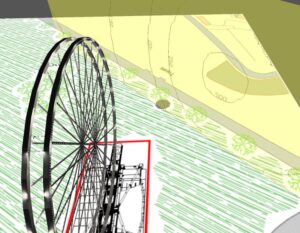
Lighting Assessment For Ferris Wheel – 3D Model Shot
Balancing Public Spaces and Active Habitats
The public park is a well-loved community asset that hosts annual events, but it is also bordered by mature trees that serve as vital commuting and foraging routes for nocturnal wildlife, such as bats and insects. Designing a lighting layout for a large, decorative attraction requires minimizing glare and preventing sky glow.
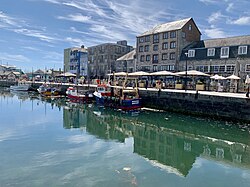
Plymouth Barbican
The Approved Light Mitigation Strategy
To protect the local ecosystem, the technical design incorporates several strict, wildlife-conscious principles:
-
Warm Spectrum LEDs: All external lighting will feature a warm white (2200K) color temperature. This specific spectrum is drastically less disruptive to nocturnal invertebrates and bats compared to standard cool-blue lights.
-
Zero Upward Spill: All fixtures on the wheel are precisely aligned horizontally or downward. No direct vertical beams or spotlights will be used, keeping the night sky clear.
-
Strict Operational Curfews: To ensure local habitats return to natural darkness overnight, all decorative lighting will operate under a strict curfew and be manually turned off by operators at 21:00.
This targeted lighting design ensures that visitors can enjoy a safe, memorable experience while the park’s nocturnal residents remain entirely undisturbed.